


















About Color Wavee
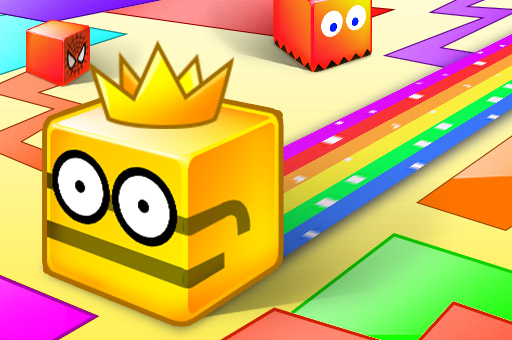
Color Wavee keeps a colorful ball moving through a route of obstacles. Control comes from pressing and releasing, making the duration of each input part of the timing challenge. A gap that is open now must still be reachable after the next change in the ball’s path.
How to Play Color Wavee
Touch and release to control the ball, or use a mouse press and release on desktop. Time the input against the next opening, then prepare the gap that follows it. Keep each press deliberate instead of maintaining a fixed beat through obstacle arrangements with different spacing.
Use the Release to Prepare the Next Gap
A press begins a change in the ball's path, and the release determines how that action carries into the following space. Look beyond the first opening before holding the input: a long press that clears one obstacle may leave too little room to adjust for the next.
When openings are close, use a deliberate shorter input and observe where the ball is headed after release. Different spacing calls for different timing, so tie each press to the visible route rather than tapping at one fixed beat.
Controls
| Input | Action |
|---|---|
| Touch or mouse press, then release | Control the moving ball. |
Practical Tips
- Look at where the ball will go after the release, not only where it is during the press.
- When two openings sit close together, plan the second change before committing to a long first input.
- A shorter input can leave more room for the next direction change when the corridor becomes crowded.